
Augmented reality shopping introduces a transformative approach to the consumer journey by embedding virtual elements within the real-world context. This convergence is facilitated through augmented reality (AR) technology, allowing shoppers to view digital augmentations overlaid onto their physical surroundings. By doing so, augmented reality shopping enriches the shopping experience, blending the digital with the tangible to enhance customer interaction and engagement.
Contents
Augmented reality shopping refers to the use of technology that overlays virtual images or information onto the real-world environment to enhance the shopping experience, allowing users to visualize products in their physical space before making a purchase. AR shopping technology emerged in the early 2010s, gaining traction in various regions worldwide. One significant milestone was the release of apps like "IKEA Place" in 2017, which allowed users to preview furniture in their homes using AR. Since then, AR shopping has steadily grown in popularity and adoption.
The global AR market size was valued at around $10.7 billion in 2019 and is projected to reach over $72.7 billion by 2024, with a compound annual growth rate (CAGR) of approximately 46.6% during the forecast period (2019-2024).
AR shopping has seen significant adoption in regions such as North America, Europe, and Asia-Pacific. In North America, the United States has been a key driver of AR shopping adoption, with major retailers like Sephora, Wayfair, and Target implementing AR features in their apps. In Europe, countries like the United Kingdom, Germany, and France have also embraced AR shopping, with retailers like ASOS and IKEA leading the way. In Asia-Pacific, countries such as China, Japan, and South Korea have witnessed rapid adoption of AR shopping technologies, particularly in the e-commerce sector.
While AR shopping technology is accessible to consumers across various income levels, its adoption may be influenced by factors such as disposable income and access to compatible devices. Higher-income regions tend to have greater adoption rates due to higher smartphone penetration and purchasing power. However, as AR technology becomes more ubiquitous and affordable, its accessibility is expected to increase across all income brackets.
China stands out as one of the fastest-growing markets for AR shopping technology. With a booming e-commerce sector and a tech-savvy consumer base, Chinese consumers have embraced AR shopping experiences offered by platforms like Alibaba's Taobao and JD.com. The country's large population and growing middle class contribute to the rapid adoption of innovative shopping technologies.
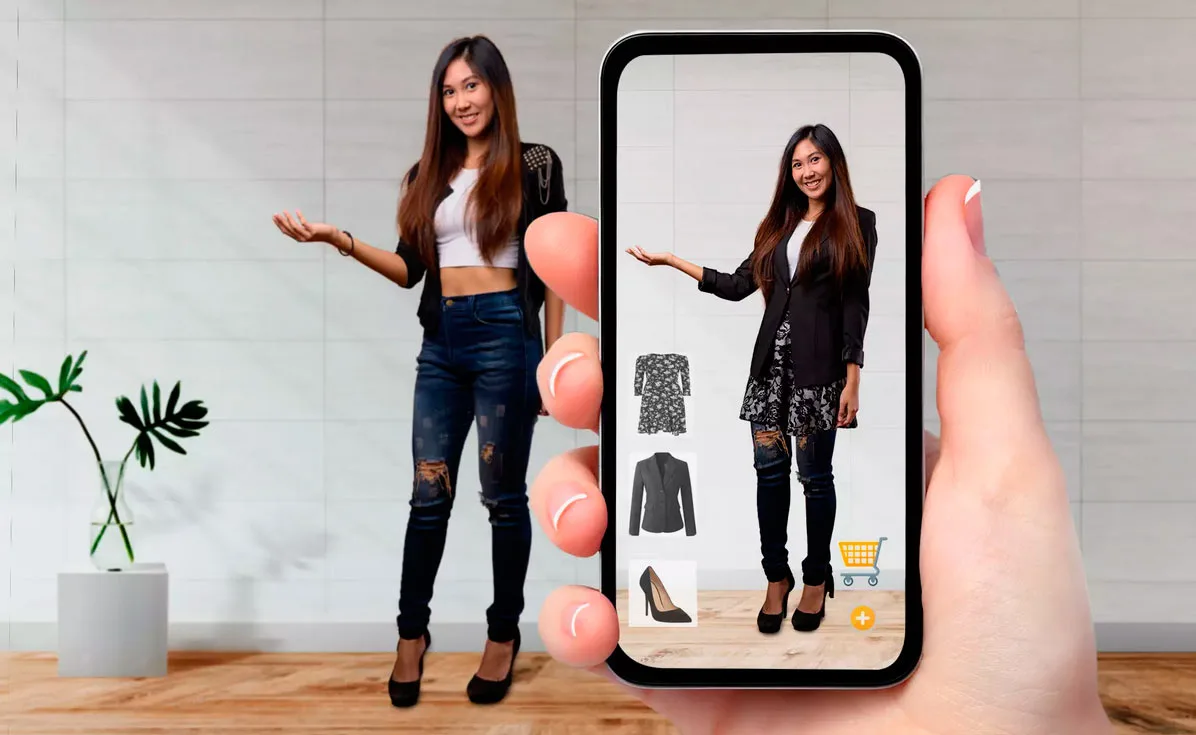
While both augmented reality (AR) and virtual reality (VR) alter our perception of the world, they serve distinct purposes and create different experiences. AR enhances the real world by superimposing digital images, text, videos, and graphics onto it, augmenting the existing environment without displacing it. In contrast, VR immerses the user in a completely artificial environment, where all visual and auditory experiences are computer-generated. Understanding these differences is crucial for retailers looking to implement these technologies effectively within their customer experience strategies.
Augmented reality in retail utilizes AR technology to superpose digital information onto real-world scenes captured via smartphone cameras. This capability allows customers to visualize products in real-time within their actual environment. For example, through AR, a shopper can see how a sofa would look in their living room or how a pair of sneakers would fit. Retailers use AR to bridge the gap between online and in-store shopping experiences, providing a seamless flow that leverages the convenience of online shopping with the assurance of physical retail.
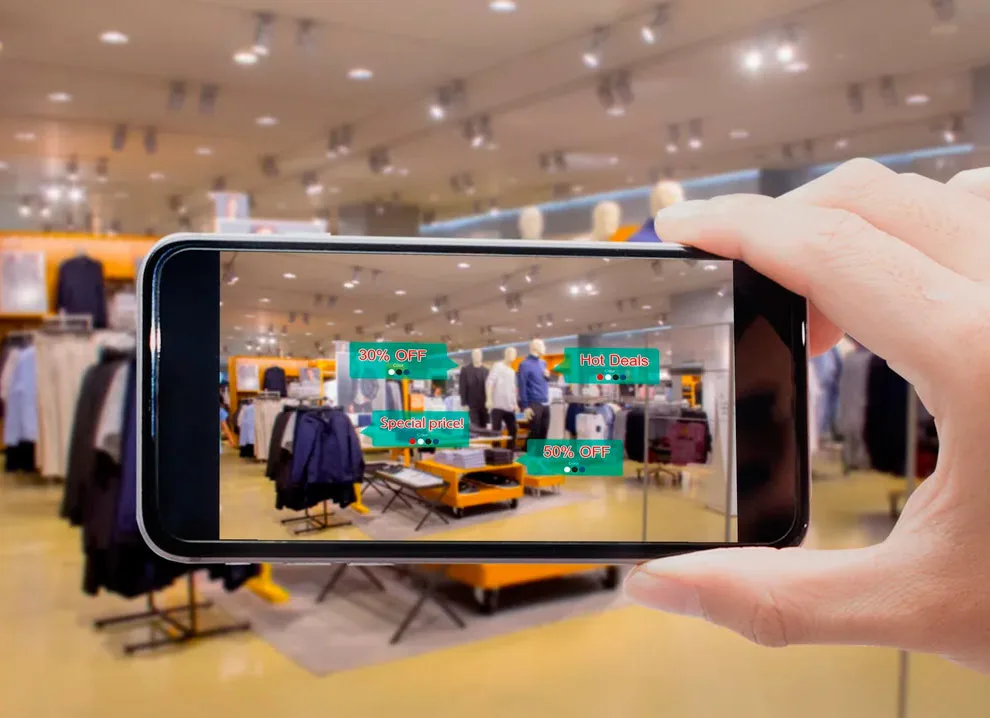
Implementing augmented reality can vary significantly in cost, dependent on the complexity and scale of the AR solution. Basic AR features, like product visualization, might require fewer resources and development time, making them more accessible for small to medium enterprises. However, more sophisticated systems, like interactive AR for large stores or detailed virtual try-ons, can be more costly due to the need for advanced technology and customization.
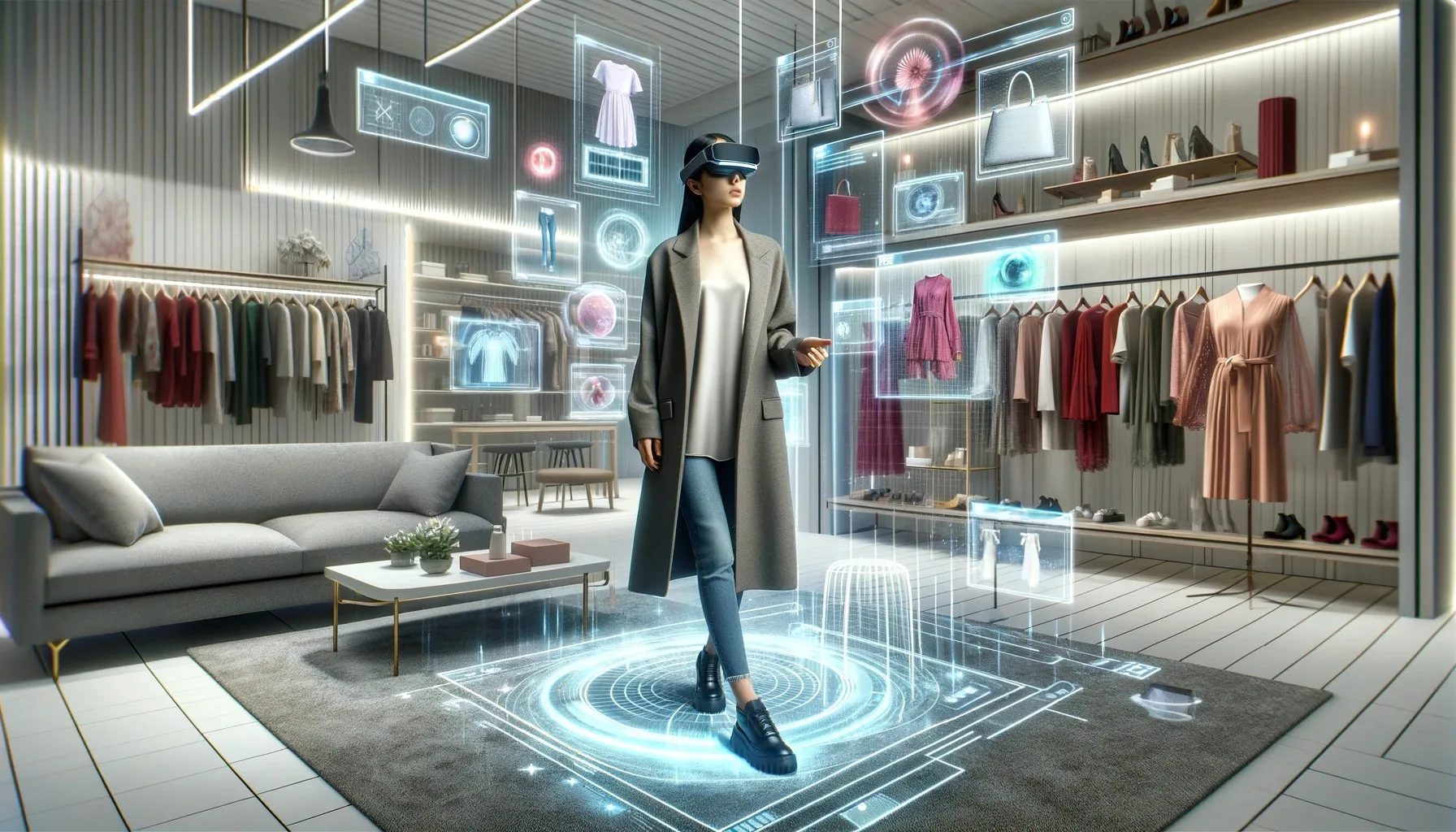
To realize the potential of augmented reality shopping, particularly for immersive future shopping experiences such as virtual try-ons, specific devices and technologies are essential. The most foundational device required is a smartphone or tablet equipped with a camera and AR-capable software. These mobile devices leverage their built-in cameras to overlay digital images onto the physical world, enabling users to see how clothes, accessories, or even furniture might look on them or in their living space.
For a more enhanced experience, AR glasses or headsets can be used. These wearables provide a hands-free, immersive AR experience that can enrich shopping by allowing continuous interaction with virtual objects. Brands like Microsoft with the HoloLens and various emerging companies in the AR hardware market are developing devices that make these experiences more seamless and integrated.
Additionally, powerful AR applications are crucial for processing and rendering high-quality 3D images in real-time. These apps use sophisticated computer vision and machine learning algorithms to accurately detect surfaces, measure dimensions, and place virtual objects in a realistic manner within the user's environment.
For retailers, implementing these technologies may also require robust backend systems that can manage and stream complex 3D models and AR content efficiently to ensure a smooth and engaging user experience. The combination of these devices and technologies propels the future of shopping into an era where digital and physical realities coalesce to create truly immersive customer journeys.
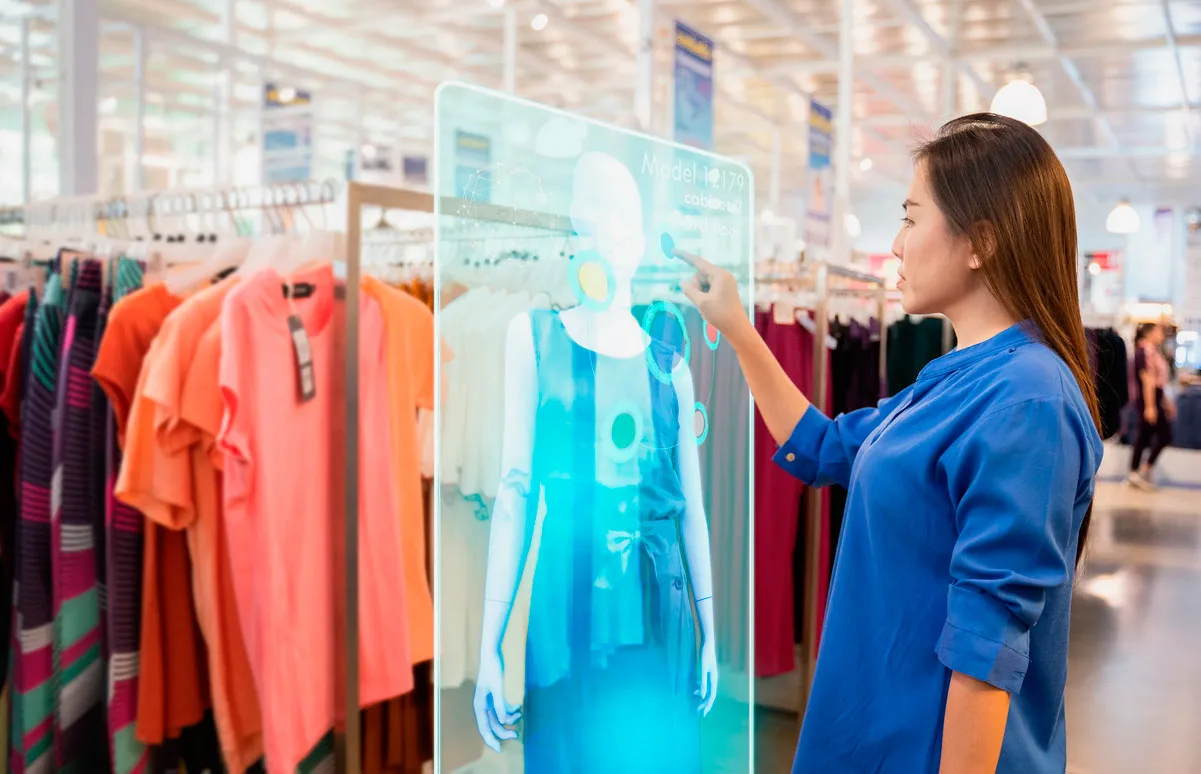
In the burgeoning field of augmented reality shopping, creating an engaging shopping experience is paramount. As retailers strive to implement AR technologies to enhance the shopping journey, discerning the best practices becomes crucial. To effectively navigate this evolving landscape, professional analysis is essential.
Markswebb, a leading agency in digital UX consulting, offers specialized services in identifying and deploying cutting-edge digital practices. By leveraging their expertise, retailers can adopt augmented reality solutions that not only bridge the gap between online and in-store experiences but also offer immersive, interactive, and personalized shopping environments that meet modern consumer demands. Markswebb's guidance ensures that investments in AR increase customer engagement and drive retail success through innovative and effective strategies.
Reach out to Markswebb to enhance your digital offerings.
See how a chatbot audit can transform customer interactions. This demo presentation showcases Markswebb’s UX audit for a retail company, highlighting key findings, best practices, and actionable recommendations. Discover how we help businesses optimize digital experiences and drive customer satisfaction!
Augmented reality shopping is not merely a technological innovation but a strategic retail tool that enhances the shopping experience, bridges online and offline commerce, and ultimately drives greater customer satisfaction and loyalty. As AR technology evolves, its integration into retail environments is expected to deepen, offering even more robust tools for engaging shoppers and personalizing the shopping experience.
Our collection of articles, FAQs, and glossaries offers clear, concise explanations of widely used terms and concepts. Beyond definitions, the Handbook MW is a portal to understanding how these terms apply in real-world scenarios.
From research and analysis to strategy and design, we help our clients successfully reach their customers through digital services.
We respond to all messages as soon as possible.