
FintechZoom serves as a beacon at the crossroads of financial technology and digital convenience, offering users a seamless platform to access and explore diverse financial products and services. Within this dynamic ecosystem, neobanks stand out as pioneers, reshaping traditional banking norms with their digital-first approach and innovative features. Let's delve into the realm of FintechZoom and the top neobanks leading the charge in 2024.
Contents
FintechZoom is a platform https://fintechzoom.io that represents the confluence of new financial technology and digital experience, aimed at making financial services more accessible and user-friendly. It offers a digital space where individuals can explore various financial products and services, enhancing the financial experience by providing a seamless interface. FintechZoom has become an attractive option for users seeking online loans, thanks to its quick process and high-quality financial assistance. It streamlines the online loan application process with a user-friendly interface, ensuring rapid loan approval and prioritizing data security and privacy. This platform also offers a range of flexible loan options with transparent terms and conditions, backed by excellent customer support.
FintechZoom at a glanceFintechZoom is part of the broader fintech ecosystem, which includes well-known apps like PayPal, Venmo, Square Cash (Cash App), Revolut, and Chime, among others. These platforms have revolutionized the way individuals and businesses manage their finances, offering solutions that range from payment processing and online banking to investment and loan services.
Neobanks, another key term in the fintech sector, are essentially online-only financial institutions that operate without traditional physical branch networks. They offer a wide range of banking services, primarily through mobile apps or online platforms, focusing on simplicity, user-friendly interfaces, and often lower fees compared to traditional banks. Neobanks like Revolut, N26, and Monzo have gained popularity for their innovative approaches to banking, including real-time spending notifications, budgeting tools, and fee-free international money transfers. These digital banks cater to the needs of a tech-savvy generation, offering convenience and accessibility in managing personal and business finances.
Neobanks at a glanceNeobanks are digital-only financial institutions that offer banking services exclusively through mobile apps and online platforms, without traditional physical branch networks. They focus on providing user-friendly, efficient, and often more affordable financial services, catering especially to tech-savvy consumers who prioritize convenience and simplicity in managing their finances.
Neobanks have been gaining popularity as a preferable alternative to traditional banking, largely due to their innovative approaches to banking and finance. Several factors contribute to the superiority of neobanks, including practices that enhance user experience, operational efficiency, and financial inclusivity. The evaluation of what makes neobanks better depends on a variety of metrics, and the analysis of best practices involves a thorough examination of these institutions' performance and strategies.
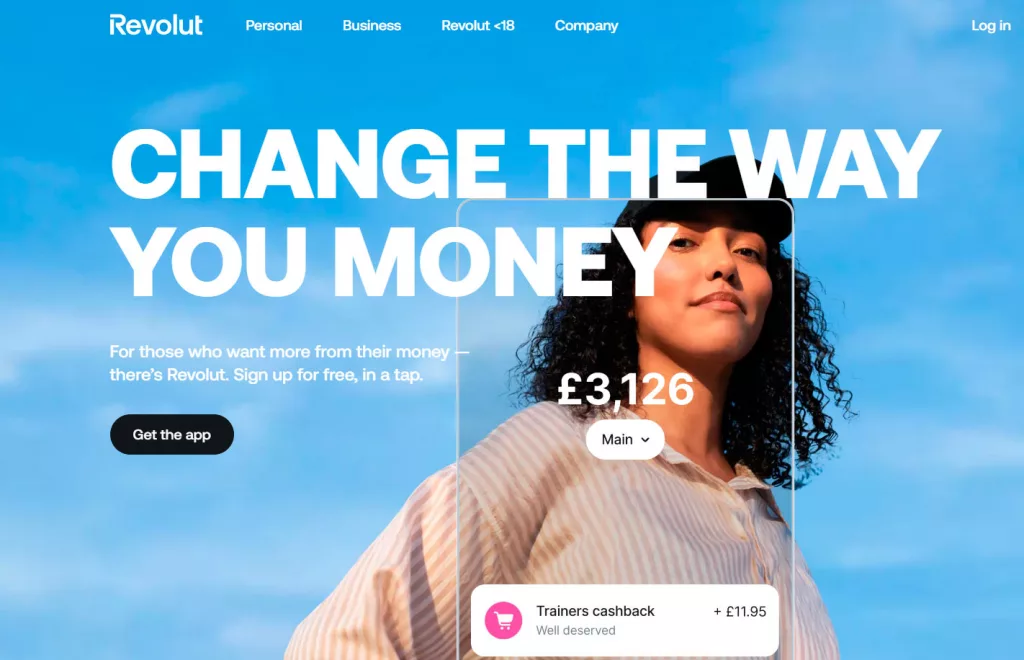
The assessment of neobanks involves several key criteria:
The analysis of the best practices among neobanks involves collecting and synthesizing data across these criteria. This can be done through:
Markswebb can help you discover the best neobank practices
We offer consultancy and analysis in digital banking and fintech, focusing on UX design, competitive analysis, and compliance to boost banks and fintech firms' digital services. Connect with us today to transform your digital experience.
The answer is simple. Fintech Zoom enhances financial inclusivity by making financial services accessible to a wide range of users, including those previously excluded from traditional banking. Fintech Zoom also plays a key role in lending to small businesses and entrepreneurs through alternative lending platforms, which fosters innovation and economic growth.
Digital service benchmarking is taking shape before our eyes. Leveraging this, Markswebb offers tailored insights and strategies to help fintech companies, especially neobanks, align their services with the diverse needs and digital readiness of their clients, significantly improving customer engagement and service personalization.
At Markswebb, we possess a robust portfolio of research on SMB and neobanks themes.
You may be interested in State of small & micro business 2023 and also Digital investment rank 2024.
Please feel free to ask any questions you may have; we are here to help and would be delighted to assist you. Reach out to Markswebb.
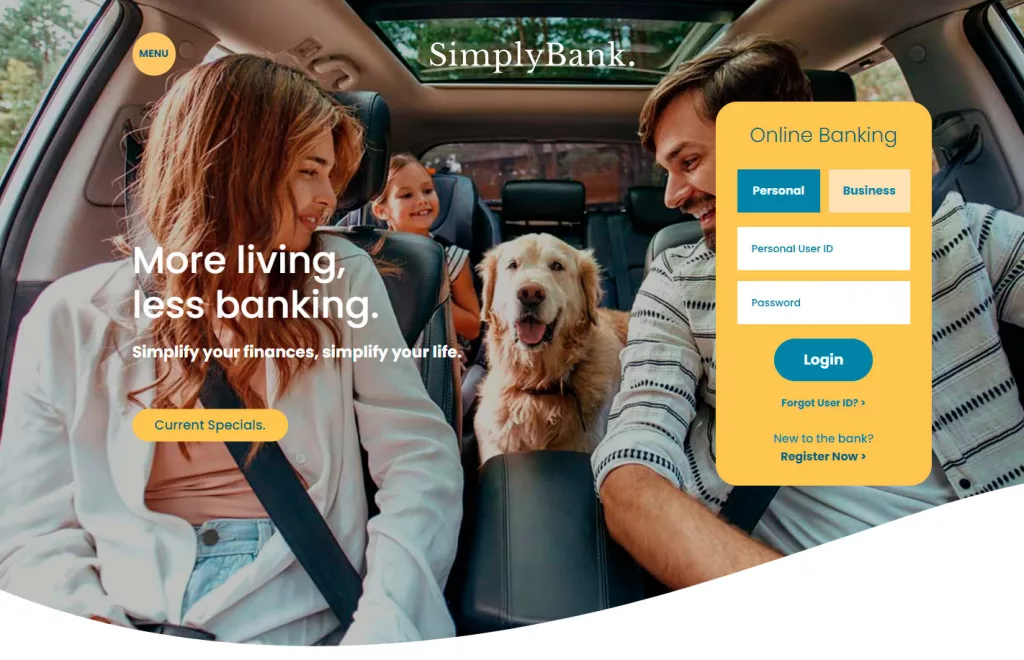
The fintech industry, with platforms like FintechZoom and the rise of neobanks, is at the forefront of revolutionizing financial services. This evolution is characterized by a shift towards digital accessibility, user-centric designs, and the democratization of financial tools. However, as with any technological advancement, there are challenges and obstacles to overcome.
The growth of fintech platforms like FintechZoom and FintechZoom best neobanks such as Revolut, N26, and Monzo highlights a significant change in consumer expectations. Customers now demand more control over their financial transactions, with a preference for real-time updates, personalized services, and seamless user experiences. These platforms have introduced features like instant loan approvals, comprehensive financial tracking, and automated savings, which cater to the modern user’s needs.
The future of fintech and neobanking looks promising, with developments focused on enhancing artificial intelligence (AI) capabilities, improving cybersecurity measures, and expanding into underserved markets. AI can offer personalized financial advice, predictive analytics for spending patterns, and fraud detection, making financial management more accessible and secure for users.

Despite the rapid growth, fintech platforms and FintechZoom best neobanks face several challenges:
In conclusion, FintechZoom exemplifies the fusion of technology and finance, providing a gateway to comprehensive financial services with the ease of digital access. Alongside the emergence of neobanks, it underscores the transformative impact of fintech on traditional banking and financial services, highlighting the shift towards more accessible, efficient, and user-centered financial solutions.
Our collection of articles, FAQs, and glossaries offers clear, concise explanations of widely used terms and concepts. Beyond definitions, the Handbook MW is a portal to understanding how these terms apply in real-world scenarios.
From research and analysis to strategy and design, we help our clients successfully reach their customers through digital services.
We respond to all messages as soon as possible.