
The term "in-app" or "inapp" refers to features, content, or experiences available within a mobile application. It can cover a wide range of elements, from in-app purchases (IAP) where users buy goods or services within the app, to in-app advertising, messaging, or functionality specific to the app's purpose. What aspect of "in-app" are you interested in? Learn out basics from our article.
Contents
In the evolving landscape of Fintech and digital user experience (UX) consulting, the term "in-app" refers to the activities, services, or features that are accessible within a mobile application. This concept is pivotal for enhancing user engagement, streamlining transactions, and providing tailored services directly through a mobile interface.
The term "in-app" likely emerged with the rise of smartphone technology and the app economy, which gained significant momentum with the introduction of the Apple App Store in 2008 and the Google Play Store (then known as the Android Market) in 2008. The concept of "in-app" actions, purchases, and functionalities became increasingly relevant as mobile apps started offering more complex services and features that required or allowed users to perform activities within the app itself, rather than directing them to external websites or platforms.
What is the meaning of Inapp?In-app refers to any action, feature, or content that is accessed or occurs within a mobile application, encompassing everything from purchases and advertising to communication, without leaving the app environment.
In total, it's a sort of the digital playground where users engage with services and functionalities directly inside the app.
In-app capabilities can be broadly categorized into three main areas:
Each of these plays a crucial role in the financial technology sector, enabling businesses to offer more value to their users, engage with them effectively, and generate revenue.
This functionality allows users to buy goods or services within an application. In Fintech applications, this could range from purchasing investment assets to subscribing to premium financial advice or tools. IAPs offer a seamless transaction experience, keeping the user within the app ecosystem, which can significantly boost conversion rates.
A monetization strategy that presents users with advertisements within the application. For Fintech apps, this could involve promoting financial products, services, or relevant offers. The key to effective in-app advertising lies in its relevance and non-intrusiveness, ensuring that ads provide value without detracting from the user experience.
Features that facilitate communication between the app and its users or between users themselves. This can include chat services, notifications about financial updates, or alerts on personal finance goals. Such direct engagement tools are essential for personalizing the user experience and fostering a sense of community and support.
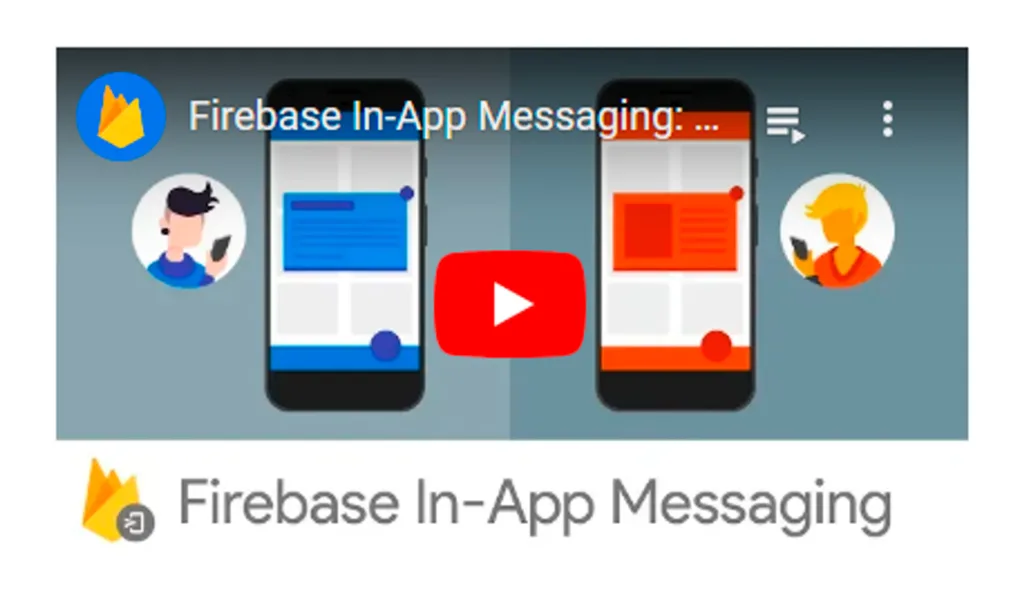
Firebase messaging within an application is used for in-game messaging to encourage exploration and discovery and to highlight a sale or coupon in customer’s e-commerce app, give hints or tips in hisgame, and offer to like or share on his social media app.
Digital UX consultants emphasize the importance of in-app features in creating a compelling and user-friendly mobile experience. The integration of these features should be guided by a thorough understanding of user needs, behavior, and feedback. Consultants advocate for a design thinking approach, where in-app elements are continuously iterated based on user interactions and data analytics.
The concept of gamification represents a significant turn in the realm of in-app functionalities, marking a trend where engagement and monetization strategies converge. Traditionally associated with in-app purchases, gamification extends the principle to a wider array of applications beyond just paid ones, leveraging game-like elements to enhance user interaction and satisfaction. This approach is particularly evident in how free applications, especially games, monetize their content.
The rise in attention towards gamification within apps can be notably marked around the early 2010s. This period saw an increase in the adoption of smartphones and the expansion of the mobile app market, which created fertile ground for innovative engagement strategies like gamification. It was during these years that businesses began to recognize the power of game-like mechanics to enhance user engagement, drive app usage, and increase monetization opportunities.
What's the next step in development?
Gamification within apps involves integrating game mechanics such as points, levels, challenges, and rewards into non-game contexts, encouraging users to engage more deeply with the app. This methodology not only boosts in-app purchases by incentivizing users to buy virtual goods or unlock new features but also enhances user retention and loyalty by making the app experience more enjoyable and rewarding.
For example, a fintech app might introduce a points system for savings or investment milestones, turning the often mundane task of managing finances into a more engaging and competitive experience. Users are motivated to achieve their financial goals through rewards, badges, or rankings, mirroring the rewarding experience of advancing in a game.
This gamification turn within the in-app landscape signifies a broader trend toward creating more immersive, interactive, and enjoyable user experiences. By adopting game-like elements, apps can drive higher engagement rates, encourage more frequent in-app purchases, and ultimately, generate more revenue, all while providing users with an enjoyable and fulfilling experience.
It's reasonable to suggest that the trend towards gamification within apps will continue to grow beyond 2024.
This projection is supported by several factors:
Given these factors, the gamification of apps is likely to not only persist but also evolve with new technologies and methodologies, maintaining its relevance and popularity among users and developers alike.
To effectively implement in-app practices in your service, start by identifying key user behaviors and preferences to ensure these practices enhance the user experience. Next, consider which in-app features - like purchases, communication, or gamification - align best with your app's goals. It's crucial to prioritize user interface (UI) and user experience (UX) design to make these features accessible and engaging. For specialized guidance and implementation, seeking out a company with expertise in digital UX and app development is advisable.
Markswebb is a company that can offer such services, ready to provide professional assistance in integrating in-app practices to elevate your service. In 2024, researching gamification in-app is at the forefront of our strategic initiatives. Reach out to Markswebb to enhance your digital offerings.
In-app features represent a dynamic component of mobile applications, especially within the Fintech sector. Their effective integration can transform the user experience, offering convenience, personalization, and engagement directly through the mobile interface. As the digital landscape continues to evolve, understanding and leveraging in-app capabilities will remain a cornerstone of successful digital UX consulting in Fintech.
Our collection of articles, FAQs, and glossaries offers clear, concise explanations of widely used terms and concepts. Beyond definitions, the Handbook MW is a portal to understanding how these terms apply in real-world scenarios.
From research and analysis to strategy and design, we help our clients successfully reach their customers through digital services.
We respond to all messages as soon as possible.