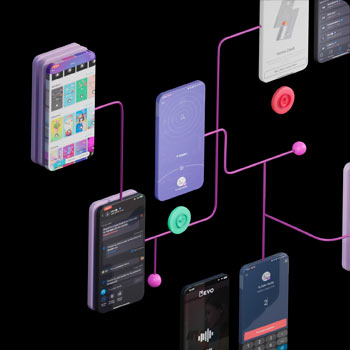
Non-Fungible Tokens (NFTs) represent a distinctive category of digital assets characterized by their unique attributes and individuality. Unlike conventional cryptocurrency tokens, such as those used in Bitcoin where each unit is identical in value to another, each NFT is unique and cannot be exchanged on a one-for-one basis with another token. This uniqueness is akin to a collectible item, where the value can significantly exceed the face value based on rarity and demand.
Contents
Each NFT possesses a unique "identity" or "face," which is secured by a cryptographic digital certificate stored on a blockchain. Ownership of this certificate confirms the originality of the item and grants exclusive rights to the owner, including the ability to sell or transfer these rights. This aspect has led to the increasing popularity of NFTs, particularly as a novel medium for owning digital art and other collectibles.
The concept of the non-fungible token is built on smart contracts and was first implemented on the Ethereum blockchain in 2017. The widespread public awareness of NFTs surged in late 2020 to early 2021, highlighted by high-profile incidents such as the tokenization of a burnt artwork by a renowned artist. The ease of creating NFTs has attracted celebrities, filmmakers, and artists to tokenize everything from personal biographies to unreleased film scenes and artwork. As a result, the NFT market saw explosive growth in investment and valuation during this period.
By 2024, the NFT landscape has further evolved, reflecting deeper integration with various industries beyond the arts, including real estate, sports, and fashion. This expansion is driven by the continuous enhancement of blockchain technologies and the increasing sophistication of smart contracts, making NFTs more secure, versatile, and scalable. Major tech companies and financial institutions have also started to adopt NFTs, integrating them into loyalty programs and digital identity solutions, which has expanded their utility and audience reach. The market dynamics have also matured, with better regulatory frameworks and more robust marketplaces that enhance buyer and seller protection. This ongoing development underlines the growing recognition of NFTs not just as collectibles but as valuable assets within the broader digital economy, paving the way for innovative applications that could redefine digital ownership and monetization strategies.
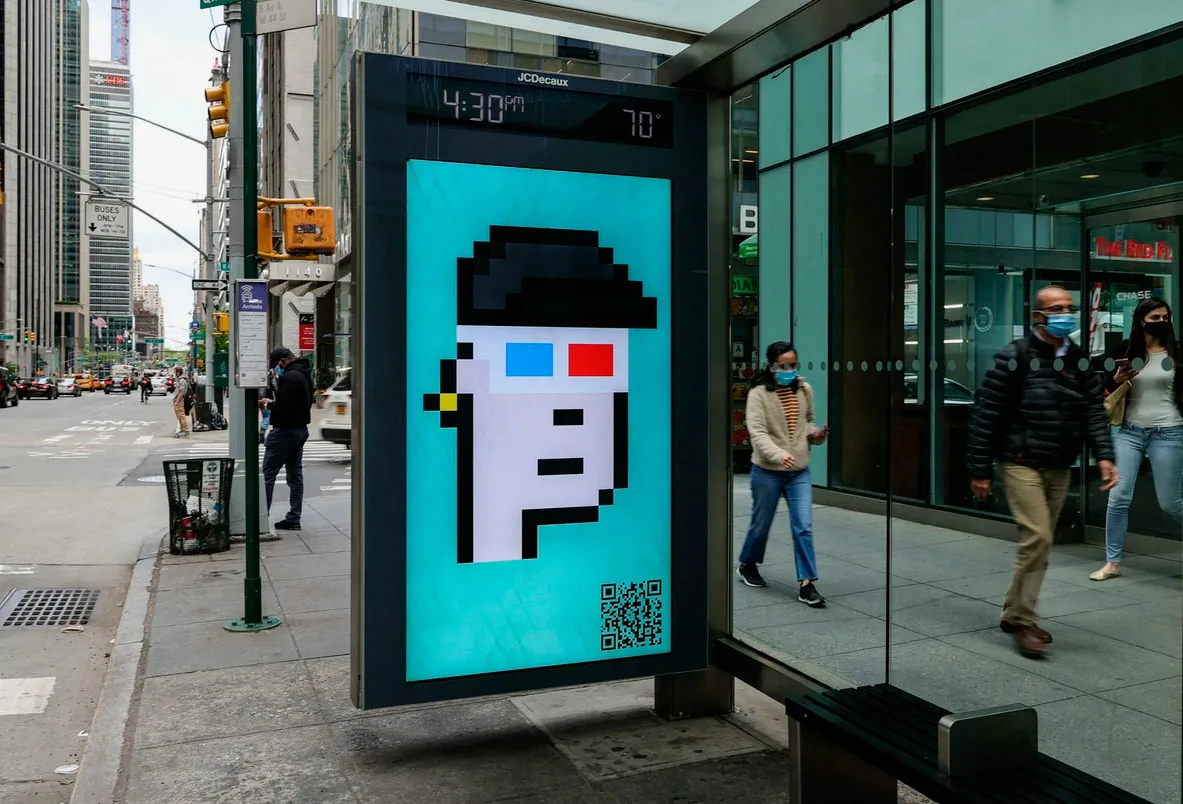
While owning an NFT certifies possession, it does not prevent the copying or distribution of the digital object it represents. This has opened new horizons in the management and monetization of copyright through royalties, fundamentally altering the economics of digital ownership.
NFTs can be sold at a fixed price or auctioned, transferring ownership to the new buyer, who may then resell the token at a higher price. This process has been lucrative for many, especially with the appreciation of cryptocurrencies used in these transactions.
The value of an NFT is influenced by production costs, including the fees associated with minting, listing, and transferring the tokens, as well as the artist's reputation and the trust in the underlying blockchain technology.
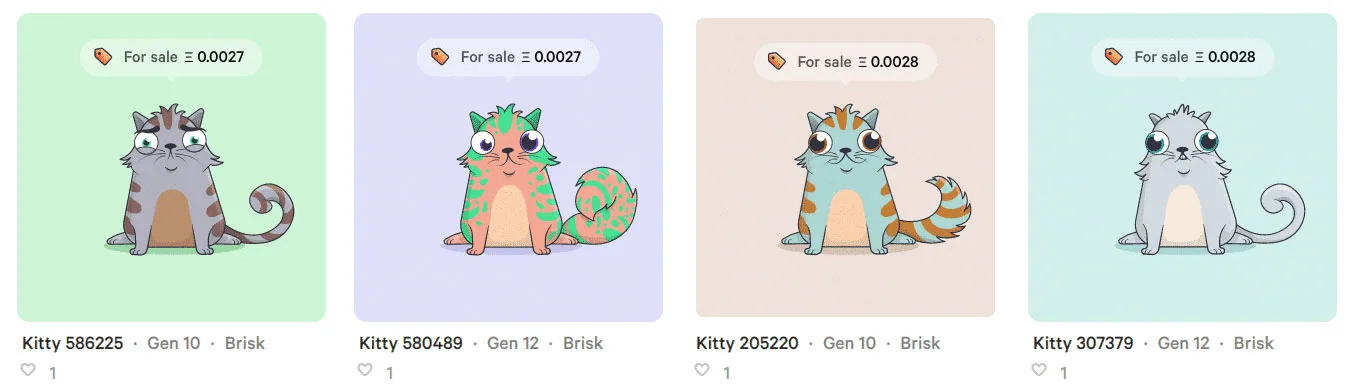
NFTs are increasingly becoming a part of a complex phenomenon in user experience (UX), where there is a noticeable convergence between the entertainment sector and capital. This integration reflects a broader trend where entertainment and interactive media are being used to enhance user engagement in traditionally non-entertainment sectors, such as finance. Notably, the gamification of the financial sector is emerging as a distinct trend, with NFTs playing a pivotal role. By incorporating game-like elements and rewards into financial services, companies are not only making financial transactions more engaging but also more intuitive and accessible to a broader audience. This approach helps demystify financial products and encourages greater participation in the financial ecosystem, blending entertainment with investment in innovative ways.
Banks can leverage NFTs to gamify customer experiences and incentivize behaviors that promote financial health. For example, a bank might issue NFTs as digital badges for completing educational modules on financial literacy. These NFTs could unlock exclusive benefits like lower interest rates or higher savings account yields. Additionally, NFTs can be used in loyalty programs where customers collect digital tokens for various banking activities, such as making deposits or using digital payment services. These tokens could then be exchanged for rewards or used to access exclusive virtual events, creating a more engaging banking experience.
Telecommunications companies can use NFTs to gamify their customer service and engagement strategies. One approach is to offer NFTs as collectible items for different levels of service usage, such as data consumption milestones or longevity of service subscription. Customers collecting these NFTs could gain access to VIP support services or special discounts on future billing cycles. Telecom operators could also create an interactive, augmented reality (AR) game where customers hunt for NFTs in various locations, which can then be redeemed for additional data or exclusive digital content.
E-commerce platforms can integrate NFTs into their systems to enhance customer interaction and sales dynamics. By implementing a system where purchases or reviews earn customers NFT-based rewards, businesses can create a more interactive shopping experience. For instance, an e-commerce site might offer limited edition NFTs for the first hundred buyers of a new product. These NFTs could carry future perks like discounts on next purchases or early access to upcoming products. Additionally, NFTs can be used to authenticate product ownership, adding an extra layer of security and exclusivity, encouraging more high-value transactions.
NFT marketplaces have evolved significantly from their initial role as mere platforms for buying and selling digital assets. Today, leading marketplaces like OpenSea, Foundation, Nifty Gateway, Rarible, and Crypto.com are expanding into comprehensive ecosystems that support a wide range of activities and services related to NFTs. This evolution reflects a broader trend in the digital economy towards creating more integrated and user-centric environments.
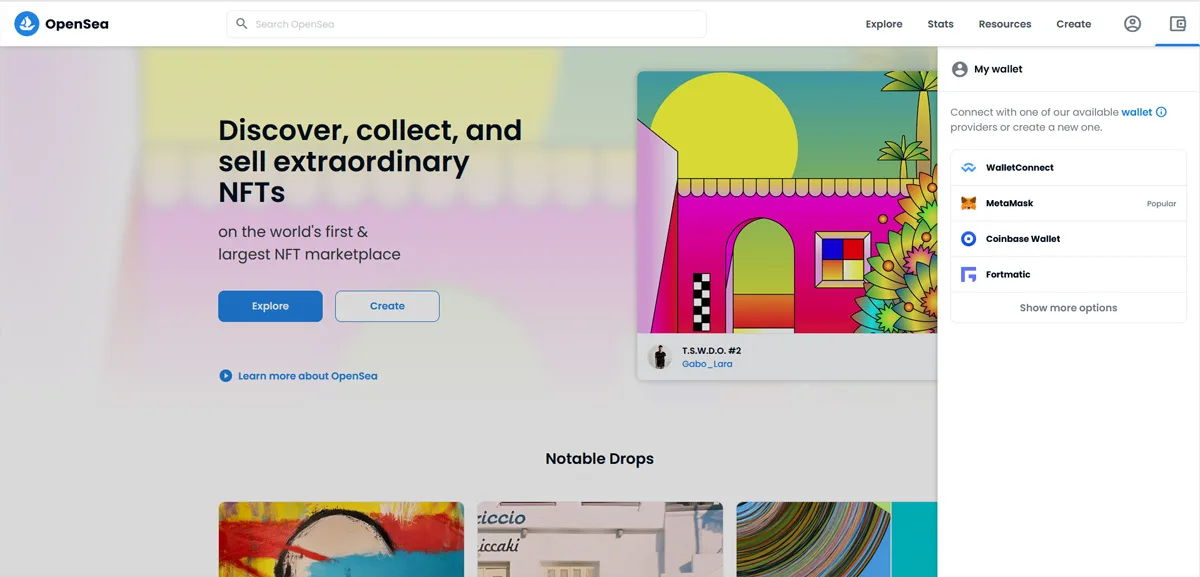
Investing in NFTs is considered promising, offering an accessible entry point into the cryptocurrency world for newcomers. Despite the overall volatility of the crypto market, the specific appeal of NFTs lies in their potential for high returns and the innovative evolution they bring to the digital and creative economies.
The integration of Non-Fungible Tokens (NFTs) into various sectors marks a significant shift in how digital assets and user engagement are perceived and utilized across industries. By merging the realms of entertainment and finance, NFTs have introduced a novel approach to user experience, making it more interactive, enjoyable, and accessible. The gamification of financial services, a trend highlighted by the strategic use of NFTs, illustrates how traditional sectors are evolving to incorporate more dynamic and user-centric strategies. This not only enhances the appeal of financial products but also democratizes access, allowing a broader range of participants to engage with and benefit from digital and financial innovations. As NFTs continue to shape and redefine the interaction between entertainment and capital, they offer promising opportunities for future developments in user engagement and the expansion of digital economies.
Our collection of articles, FAQs, and glossaries offers clear, concise explanations of widely used terms and concepts. Beyond definitions, the Handbook MW is a portal to understanding how these terms apply in real-world scenarios.
From research and analysis to strategy and design, we help our clients successfully reach their customers through digital services.
We respond to all messages as soon as possible.