The Markswebb UX problems guide is a cutting-edge tool crafted to elevate user experience (UX) in digital services by precisely identifying and resolving UX issues. This comprehensive resource is indispensable for UX professionals, researchers, and teams looking to optimize digital interfaces and enhance user satisfaction. The guide is incredibly user-friendly, with a database in Notion that features well-clustered content, filters, and an efficient search function, making it easy to navigate and apply in practice.
You can learn more about this invaluable tool on this page. In the following, we will showcase specific examples from our extensive guide to demonstrate its capabilities and effectiveness into regional UX challenges, particularly in MENA countries, providing targeted insights that address specific market needs.
In the Middle East and North Africa (MENA) region, the increasing adoption of digital services has brought UX issues to the forefront. Businesses must consider unique cultural, linguistic, and behavioral aspects that shape user interactions with digital platforms. Addressing UX problems effectively in this region requires a deep understanding of local user expectations, technological challenges, and the social context in which these services operate.
Below, we provide a description of a common UX problems in the region along with an example from our guide to illustrate how these issues manifest in real-world scenarios.
The multilingual nature of the MENA region presents unique UX challenges. Users who speak Arabic, French, or English may have different expectations and experiences with digital services. A common UX issue arises when services fail to provide seamless language switching or when translations are inaccurate or contextually inappropriate. These linguistic challenges can result in user errors, misunderstandings, and ultimately, a decline in user trust and satisfaction.
Arabic, a language particularly prevalent in the MENA region, is oriented inversely compared to most other languages, reading from right to left. This inversion necessitates careful translation and adaptation of interfaces, as elements like the customary placement of buttons (e.g., "Login" in the top-right corner) must also be mirrored to align with Arabic reading patterns, or else they risk confusing users and disrupting the overall user experience.
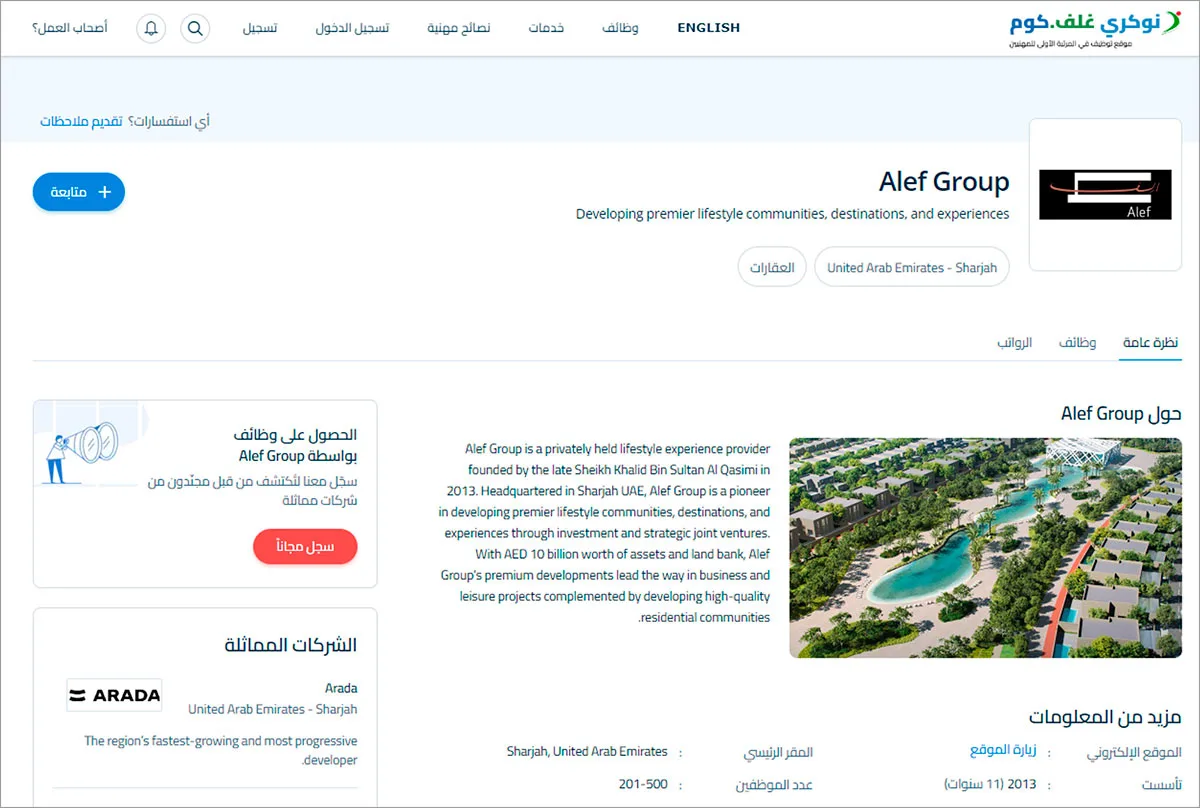
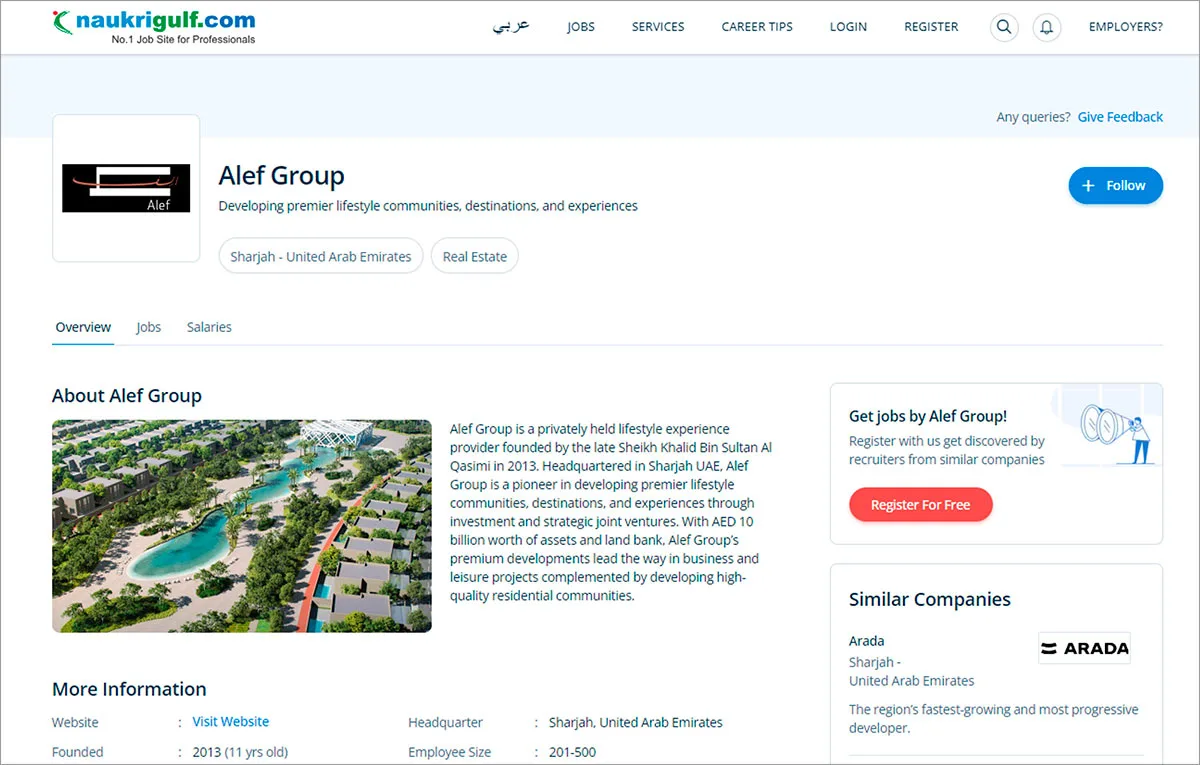
In the MENA context, user frustration often stems from a mismatch between service offerings and user’s expectations. For instance, a common UX problem in the region involves the complexity of navigating digital services. Users may struggle with interfaces that do not align with their linguistic and cultural norms.
Arabic, being a right-to-left language, presents specific challenges that are often overlooked in global digital services. When interfaces fail to accommodate these linguistic nuances, users can experience significant frustration, leading to disengagement from the service.
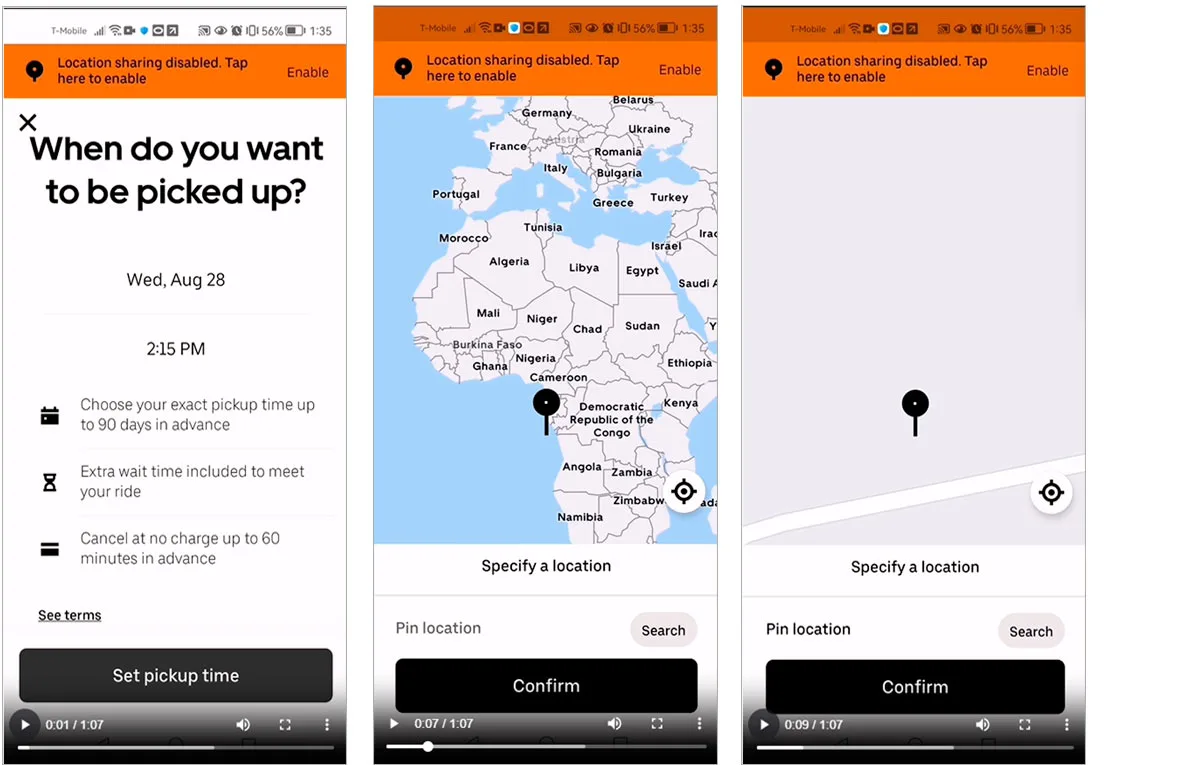
Especially important is the fact that many cities in the MENA region are home to a significant number of expatriates who are often unfamiliar with local. And therefore, even a universally designed interface of a global service like Uber can contain issues that hinder usability in this context.
Uber (Android)
Navigation issues are particularly prominent in the MENA region, where digital literacy levels vary widely. Users may find it difficult to locate essential information or features if the service is not tailored to their experience level. For example, services that assume a high degree of familiarity with digital interfaces may alienate older users or those new to digital platforms. This problem is exacerbated when services use terminology or navigation structures that do not resonate with local users, creating barriers to task completion and satisfaction.
iHerb (Desktop)

Cultural alignment in UX design is crucial for success in the MENA region. A UX problem that frequently arises is the lack of culturally relevant content or design elements. For example, the use of images, symbols, or references that do not align with local cultural norms can confuse or alienate users. Additionally, the social context, such as the importance of community and family in decision-making processes, should be reflected in the design of digital services. Failing to integrate these cultural aspects can lead to user dissatisfaction and reduced engagement.
Spotify
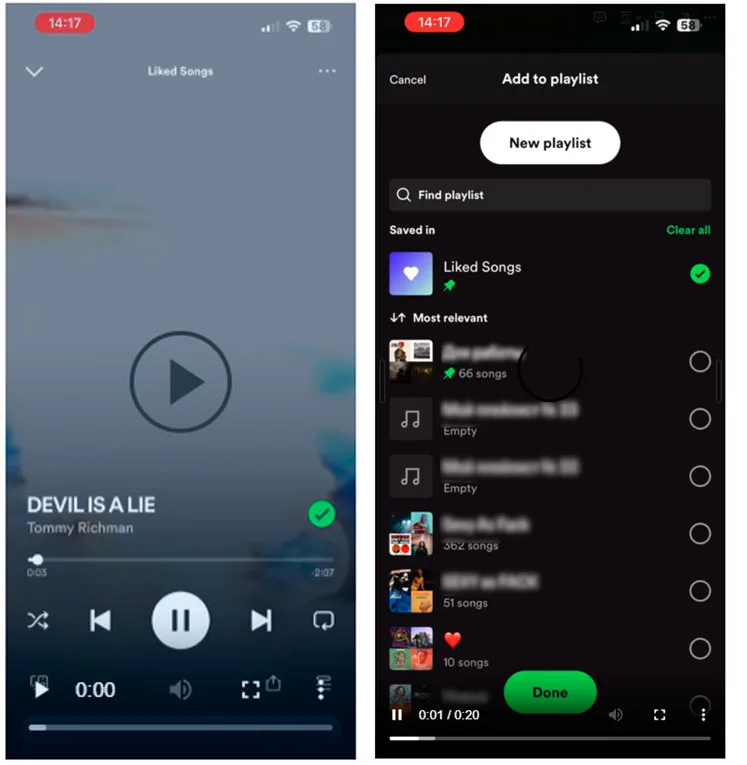
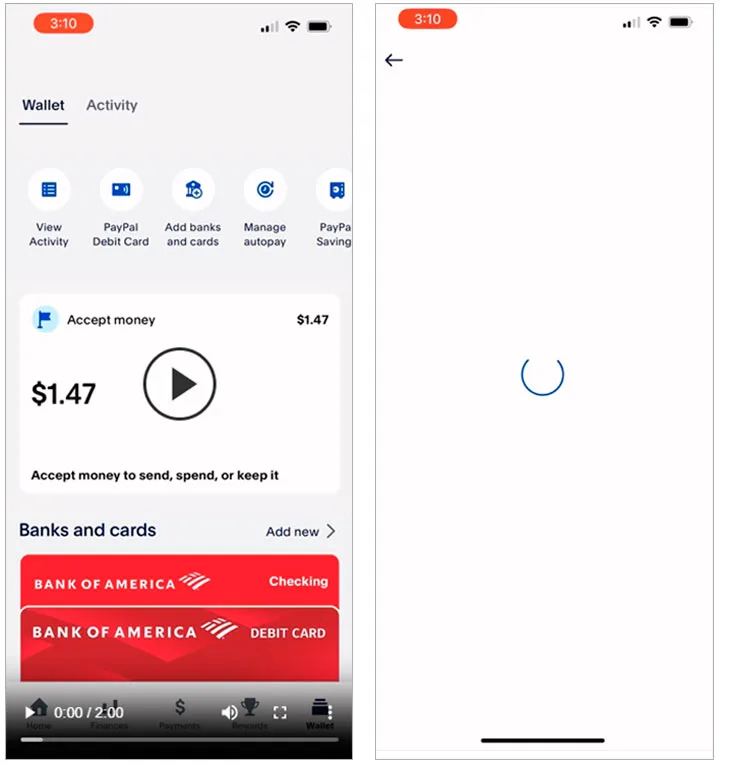
Technological infrastructure in the MENA region varies significantly between urban and rural areas, impacting the UX of digital services. A frequent UX problem is the slow loading times and performance issues that users face, particularly in areas with limited internet connectivity. Services that are not optimized for low-bandwidth environments can frustrate users, leading to high abandonment rates. Moreover, the reliance on mobile devices in the region necessitates mobile-first design strategies to ensure accessibility and usability across diverse technological landscapes.
PayPal (Desktop)
To effectively address UX problems in the MENA region, businesses must prioritize user needs through localized research and testing. This involves understanding the specific pain points users face and adapting services to meet those needs. For example, simplifying processes, providing clear and culturally appropriate instructions, and ensuring that critical functions are easily accessible can significantly enhance user satisfaction.
At Markswebb, we specialize in customizing projects to align with local practices and user expectations. Our expertise in gathering best practices from various industries and geographies enables us to tailor digital services to the unique cultural and linguistic contexts of the MENA region.
Wondering how to create seamless digital banking experiences? Explore Markswebb’s handpicked UI solutions for 2024, grounded in our Mobile Banking Rank research. Get inspired and start building better services today!
Our expertise is backed by ongoing research, and we are currently working on the "Mobile Banking Review UAE 2024" research, focused on evaluating mobile banking applications in the UAE. This upcoming research will provide valuable insights into user experience, functionality, and innovation within the region's fintech sector.
We conduct thorough user testing to validate our solutions, ensuring that the final product resonates with the target audience. This approach not only simplifies the work for digital service creators but also increases the likelihood of success in this diverse and rapidly evolving market. Continuous monitoring and iteration based on user feedback further ensure that the services remain relevant and competitive, adapting to the changing needs of users over time.
So, we invite you to collaborate with us and leverage the insights provided by the Markswebb UX problems guide to enhance your digital services. Together, we can identify and solve the critical UX challenges that will set your products apart in the competitive market.
We respond to all messages as soon as possible.
We’ve evolved dozens of successful financial services and are eager to prove that our expertise can be implemented in other industries and around the world. Have a look at our success stories!